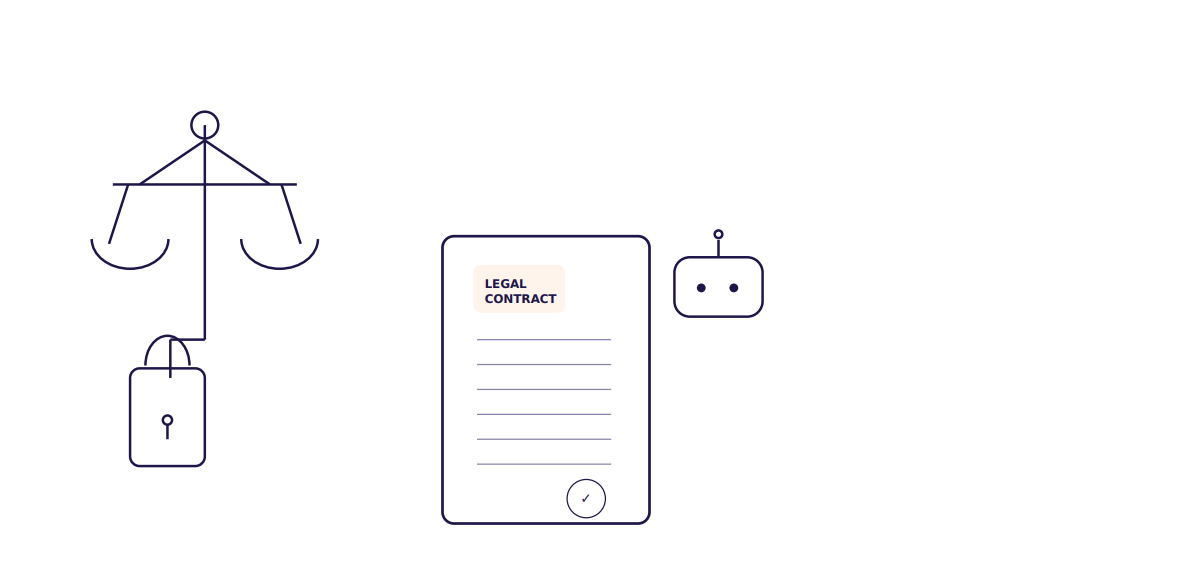
Contracts designed for ordinary software are often ill-suited to AI products.
An AI system may be retrained or updated. It may also be used in settings that no one contemplated when the agreement was signed. Its outputs are probabilistic, not fixed. Six months into the engagement, the system may behave differently from how it behaved on day one. A contract that assumes the product will remain unchanged cannot adequately address these risks.
This is why we have put together a five-part guide. It follows a fictional Indian e-commerce marketplace through five areas in which traditional vendor contracts tend to break down for AI products:
- AI output risk
- Regulatory exposure and audit rights
- IP ownership and fine-tuning data
- M&A and change-of-control risk
- Operational failure, liability and remedies
The key takeaway is that an AI product contract must be written for actual deployment. It should reflect how the system will be used, including its scale, its autonomy and the harm it may cause downstream. A clause that fails to account for these realities does not meaningfully allocate risk.
Read the guide here: Guide to Rewriting Vendor Contracts For The AI Age
We would be glad to hear how in-house legal, procurement, and product teams are approaching AI vendor contracts.
Author Credits: Astha Srivastava
For any queries, reach out to us at contact@ikigailaw.com